From EXPO 2015 Milano to EXPO 2016 Antalya..

As you know, next year the EXPO 2016 will be held in Antalya. Before EXPO 2016, Antalya City Blog visited EXPO 2015 Milano. Let's see photos..

From EXPO 2015 Milano to EXPO 2016 Antalya..

As you know, next year the EXPO 2016 will be held in Antalya. Before EXPO 2016, Antalya City Blog visited EXPO 2015 Milano. Let's see photos..

Showing posts with label Patara. Show all posts

Tuesday, December 10, 2013

Demre is the Official Hometown of Santa Claus in Antalya


Did you know that Santa Claus lived in Antalya and is not a myth?

Santa Claus was born in Patara (in modern-day Antalya province, Turkey) in the second half of the 3 BC century. He was bishop in Myra in Lycia. Originally named St. Nicholas, in many European countries, particularly in the former Tsarist Russia was the most popular saint. In Germany' Freiburg, Italian cities of Bari and Naples, the island of Sicily, St. Nicholas is in a special respected. He is recognized as Santa Claus in the Dutch and English languages. Moreover, he is known as the protector of the New York City in the U.S.A. 


In addition to this, he is the protector of children in all over the world. All of these have led to the creation of a type the legendary and very popular person who is Santa Claus or St. Nicholas. 

Santa Claus, Antalya

Images of Santa Claus were further popularized through Haddon Sundblom’s depiction of him for The Coca-Cola Company’s Christmas advertising in the 1930s. The popularity of the image spawned urban legends that Santa Claus was invented by The Coca-Cola Company or that Santa wears red and white because they are the colors used to promote the Coca-Cola brand.


In popular culture, Santa Claus appears in the weeks before Christmas in department stores or shopping malls, or at parties. Actually this is a North American tradition associated with Santa Claus are derived from a number of Christmas traditions from various countries.


St. Nicholas Church
St. Nicholas Church is a monument of Byzantine art in the history of the Middle Byzantine Period, the most outstanding example of architectural style. In the 5th century AD, Myra (Demre) was the state capital of Lycia. The Archbishop of Myra in Anatolia is the second largest religious authority after the death of St. Nicholas, has played a major role in the increase of the city's reputation. Each year thousands of foreign tourists visit Santa Claus in the town of Demre in Antalya.


St. Nicholas Church-Antalya
Myra-Antalya

Sunday, December 18, 2011

Did you know that Santa Claus lived in Antalya and is not a myth?

 
Santa Claus was born in Patara (in modern-day Antalya province, Turkey) in the second half of the 3 BC century. He was bishop in Myra in Lycia. Originally named St. Nicholas, in many European countries, particularly in the former Tsarist Russia was the most popular saint. In Germany' Freiburg, Italian cities of Bari and Naples, the island of Sicily, St. Nicholas is in a special respected. He is recognized as Santa Claus in the Dutch and English languages. Moreover, he is known as the protector of the New York City in the U.S.A. In addition to this, he is the protector of children in all over the world. All of these have led to the creation of a type the legendary and very popular person who is Santa Claus or St. Nicholas. 

Santa Claus, Antalya

Images of Santa Claus were further popularized through Haddon Sundblom’s depiction of him for The Coca-Cola Company’s Christmas advertising in the 1930s. The popularity of the image spawned urban legends that Santa Claus was invented by The Coca-Cola Company or that Santa wears red and white because they are the colors used to promote the Coca-Cola brand.

In popular culture, Santa Claus appears in the weeks before Christmas in department stores or shopping malls, or at parties. Actually this is a North American tradition associated with Santa Claus are derived from a number of Christmas traditions from various countries.

St. Nicholas Church
St. Nicholas Church is a monument of Byzantine art in the history of the Middle Byzantine Period, the most outstanding example of architectural style. In the 5th century AD, Myra (Demre) was the state capital of Lycia. The Archbishop of Myra in Anatolia is the second largest religious authority after the death of St. Nicholas, has played a major role in the increase of the city's reputation. Each year thousands of foreign tourists visit Santa Claus in the town of Demre in Antalya.
St. Nicholas Church-Antalya
Myra-Antalya

Monday, August 8, 2011

Antalya: La Ville des pirates


The earliest documented instances of piracy are the exploits of the Sea Peoples who threatened the Aegean and Mediterranean in the 13th century BC.

Today's Antalya and its some ancient cities such as Olympos, Chimera, Adrasan, Kekova (Dolichiste), Kaleköy (Simena), Üçağız (Teimioussa), Phaselis, Patara, Finike (Phoenicus) Alanya, Side, etc.  attacked and occupied by the pirates of the Mediterranean.  So, Antalya can be called as the City of Pirates.

Especially, in the 3rd century BC, pirate attacks on Olympos (city in Antalya) brought impoverishment. 

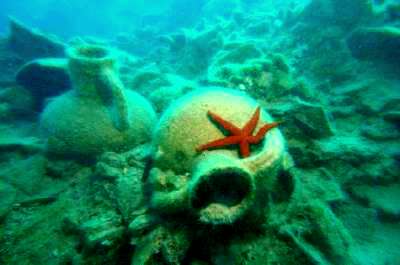
Today, you can easily find pirates' caves, sunken pirate ships, thousands of amphoras, sunken treasures of pirates, pirate bays, sunken and ancient cities in Antalya. 

Photos from the Places of Pirates in Antalya

Antalya
Olympos
Antalya
Adrasan Bay 
Cape Gelidonia
Pirate Bay
Phaselis
Pirates Cave
Olympos
Kekova
Side
Side
Alanya
Alanya
Olympos
Kekova

Monday, August 3, 2009

The Best Beaches in Antalya

  • Konyaaltı Beaches
  • Lara Beach
  • Mermerli Beach
  • Karpuzkaldıran Beach
  • Göynük Beach
  • Side Beach
  • Tekirova Beach
  • Kaş Beach
  • Olympos / Çıralı beach
  • Belek Beach
  • Bogazkent Beach
  • Kemer Beach
  • Kemer Moonlight Beach
  • Patara Beach
  • Topçam Beach
  • Kaputaş Beach
  • Phaselis Beach
  • Sorgun Beach
  • Adrasan Beach
  • Alanya Ulaş Beach
  • Alanya Keykubat Beach
  • Alanya Damlataş Beach
  • Alanya Cleopatra Beach
  • Alanya Incekum Beach
  • Alanya Orange (Oba) Beach


Friday, July 31, 2009

The Lycian Way


The Lycian way is a 509 km way-marked footpath around the coast of Lycia, from Antalya to Fethiye. The route is graded medium to hard, it is not level walking, but has many ascents and descents as it approaches and veers away from the sea. 


It is easier at the start near Fethiye and gets more difficult as it progresses. We recommend walking the route in spring or autumn; February-May or September-November. Summer in Lycia is hot, although you could walk short, shady sections. 


The route is mainly over footpaths and mule trails; it is mostly over limestone and often hard and stony underfoot. On the last part of the route, and in Patara, Kalkan, Kas, Myra, Finike, Adrasan, Olympos, Cirali and Tekirova, you can stay in pensions or small hotels. 


On other nights, you may stay in a village house, or camp out. There are plenty of camping places with nearby water mentioned in the book; you do not have to ask permission to camp out.


For more information: www.lycianway.com